






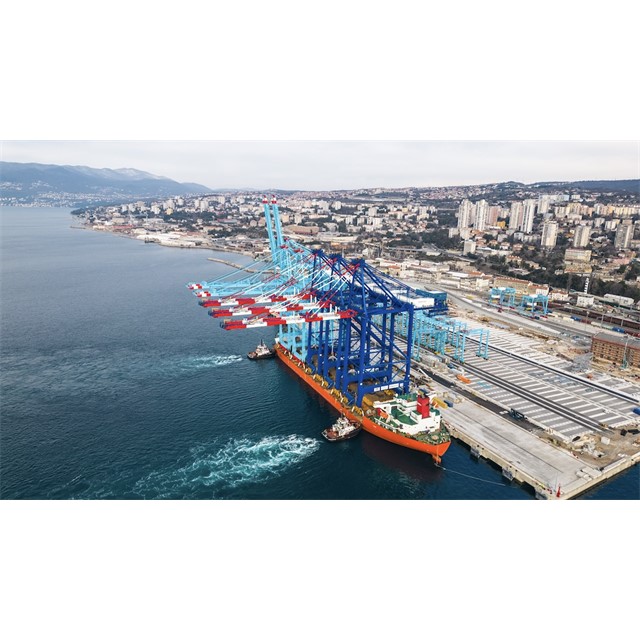
Actual I.T. group implements new Billing Module for Port Authority Rijeka
Actual I.T. group has successfully implemented a new Billing Module within the Port Community System for the Port Authority Rijeka, supporting the continued digital transformation of port operations and the modernization of key business processes.
The new module was developed to improve and automate billing and concession management processes, while also supporting the daily work of the commercial department. Through integration with the existing accounting application, the solution enables more efficient data exchange and a smoother connection between operational activities and financial processes.
One of the main objectives of the project was to reduce manual work in invoice preparation. Before the implementation, this process was carried out manually based on submitted reports, which required repetitive data entry and additional coordination between different systems. With the new Billing Module, invoices can now be generated automatically based on collected operational data. This significantly reduces administrative workload, minimizes the possibility of errors, and improves the overall speed and accuracy of billing operations. “At ports, numerous operational and financial processes are closely interconnected. The key objective of this project was therefore not merely to digitize individual steps, but to establish a more efficient flow of data between different processes and reduce the amount of repetitive manual work. The new Billing Module gives users a clearer overview of billing activities and provides a reliable foundation for more efficient daily operations,” said Boštjan Petelin, Director of Actual IT, Croatia.
At the same time, the solution provides better visibility into billing processes, making it easier for users to monitor activities, review data and manage obligations. An important part of the implementation was the introduction of a unified interface for monitoring invoices and outstanding obligations. This gives stakeholders a clearer and more centralized overview of the billing process, improving accessibility and transparency for all parties involved.
“The implementation of the new Billing Module represents an important step forward in the modernization of our business processes. By automating invoice preparation, the solution also improves the verification of data accuracy required for invoice creation, including data within the PCS, and provides a clearer and more transparent overview of billing activities and outstanding obligations. It supports the daily work of our teams and enables more efficient management of key processes,” said Davorin Mance, Assistant Director at the Port Authority Rijeka.
The project also included the migration of VAT invoice preparation and invoice distribution functionalities from the existing ERP environment into the PCS platform. Accounting and bookkeeping processes remained unchanged, ensuring continuity for the financial department while enabling operational billing activities to be managed more efficiently within the Port Community System. With the implementation of the new Billing Module, the Port Authority Rijeka has gained a more modern, automated and transparent approach to billing and concession management. The solution supports better coordination between operational, commercial and financial processes and contributes to more efficient port management.
For Actual I.T. group, the project represents another important milestone in the digitalization of maritime and port operations. It also confirms the company’s commitment to developing reliable and efficient digital solutions that help ports and maritime organizations optimize their business processes and respond to the demands of modern port operations.
NAZAJ NA: Actual I.T. Novice | Unistar novice | Astec novice | Itelis novice
Actual I.T. group implements new Billing Module for Port Authority Rijeka
Actual I.T. group has successfully implemented a new Billing Module within the Port Community System for the Port Authority Rijeka, supporting the continued digital transformation of port operations and the modernization of key business processes.
The new module was developed to improve and automate billing and concession management processes, while also supporting the daily work of the commercial department. Through integration with the existing accounting application, the solution enables more efficient data exchange and a smoother connection between operational activities and financial processes.
One of the main objectives of the project was to reduce manual work in invoice preparation. Before the implementation, this process was carried out manually based on submitted reports, which required repetitive data entry and additional coordination between different systems. With the new Billing Module, invoices can now be generated automatically based on collected operational data. This significantly reduces administrative workload, minimizes the possibility of errors, and improves the overall speed and accuracy of billing operations. “At ports, numerous operational and financial processes are closely interconnected. The key objective of this project was therefore not merely to digitize individual steps, but to establish a more efficient flow of data between different processes and reduce the amount of repetitive manual work. The new Billing Module gives users a clearer overview of billing activities and provides a reliable foundation for more efficient daily operations,” said Boštjan Petelin, Director of Actual IT, Croatia.
At the same time, the solution provides better visibility into billing processes, making it easier for users to monitor activities, review data and manage obligations. An important part of the implementation was the introduction of a unified interface for monitoring invoices and outstanding obligations. This gives stakeholders a clearer and more centralized overview of the billing process, improving accessibility and transparency for all parties involved.
“The implementation of the new Billing Module represents an important step forward in the modernization of our business processes. By automating invoice preparation, the solution also improves the verification of data accuracy required for invoice creation, including data within the PCS, and provides a clearer and more transparent overview of billing activities and outstanding obligations. It supports the daily work of our teams and enables more efficient management of key processes,” said Davorin Mance, Assistant Director at the Port Authority Rijeka.
The project also included the migration of VAT invoice preparation and invoice distribution functionalities from the existing ERP environment into the PCS platform. Accounting and bookkeeping processes remained unchanged, ensuring continuity for the financial department while enabling operational billing activities to be managed more efficiently within the Port Community System. With the implementation of the new Billing Module, the Port Authority Rijeka has gained a more modern, automated and transparent approach to billing and concession management. The solution supports better coordination between operational, commercial and financial processes and contributes to more efficient port management.
For Actual I.T. group, the project represents another important milestone in the digitalization of maritime and port operations. It also confirms the company’s commitment to developing reliable and efficient digital solutions that help ports and maritime organizations optimize their business processes and respond to the demands of modern port operations.

